Your Right to Dispute Credit Report Inaccuracies

Your Right to Dispute Credit Report Inaccuracies in Texas: Understanding FCRA Consumer Rights and Dispute Processes
Disputing inaccuracies on your credit report is a fundamental right for consumers, particularly under the Fair Credit Reporting Act (FCRA). This article will guide you through your rights, the process of disputing errors, and how to effectively manage your credit report. Understanding these rights is crucial for maintaining a healthy credit score and ensuring that your financial history accurately reflects your creditworthiness. Many individuals face challenges with incorrect information on their credit reports, which can lead to higher interest rates or loan denials. This guide will explore your rights under the FCRA, common credit report errors, the dispute process, and when to consider professional credit repair services.
What Are Your Rights Under the Fair Credit Reporting Act in Texas?
The Fair Credit Reporting Act (FCRA) provides essential protections for consumers regarding their credit reports. It ensures that individuals have the right to access their credit information and dispute inaccuracies. This legislation is vital for maintaining the integrity of credit reporting and protecting consumers from unfair practices.
How Does the FCRA Protect Texas Consumers from Credit Report Errors?
The FCRA protects Texas consumers by granting them access to their credit reports and the right to dispute any inaccuracies. Consumers can request a free copy of their credit report annually from each of the three major credit bureaus: Equifax, Experian, and TransUnion, through AnnualCreditReport.com. This access allows individuals to review their credit history for errors, such as incorrect account information or fraudulent activity. If an error is found, consumers have the right to dispute it, prompting the credit bureau to investigate the claim. This process ensures that consumers are not unfairly penalized for inaccuracies that could affect their creditworthiness.
What Specific Consumer Rights Does the FCRA Grant for Disputing Inaccuracies?
Under the FCRA, consumers have several specific rights when disputing inaccuracies on their credit reports. These include the right to:
- Accurate Information: Consumers are entitled to have accurate and complete information in their credit reports.
- Dispute and Investigate: Individuals can dispute any information they believe is incorrect, and the credit bureau must investigate the claim generally within 30 days.
- Seek Damages: If a consumer’s rights are violated, they have the right to seek damages for any harm caused by the inaccurate reporting.
How to Identify and Understand Common Credit Report Errors in Texas
Identifying errors on your credit report is the first step in disputing inaccuracies. Common errors can significantly impact your credit score and overall financial health. Understanding these errors can help you take proactive measures to correct them.
What Types of Inaccurate Items Can Appear on Your Credit Report?
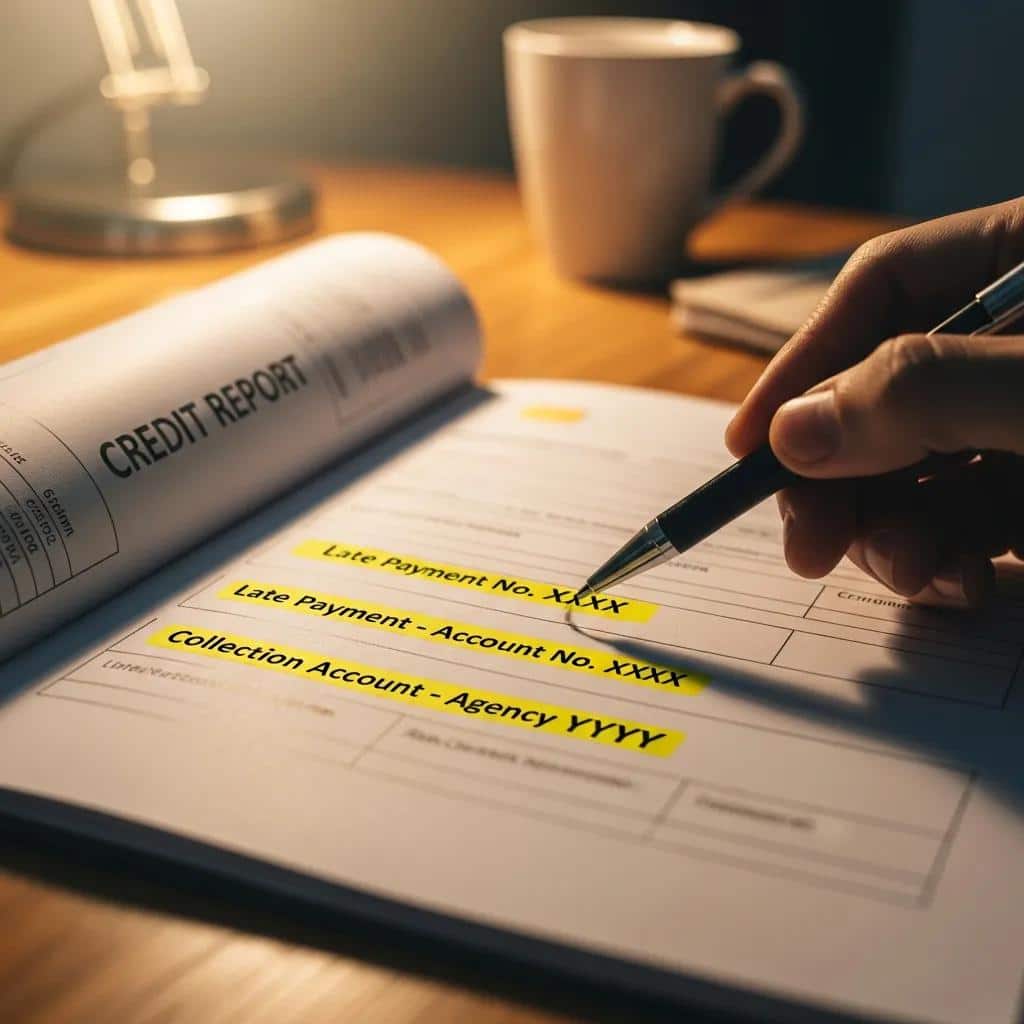
- Late Payments: Incorrectly reported late payments can harm your credit score, even if you paid on time.
- Collections: Accounts that have been sent to collections may be inaccurately reported, affecting your creditworthiness.
- Identity Theft: Fraudulent accounts opened in your name can lead to significant inaccuracies on your credit report.
Recognizing these common errors is essential for maintaining a healthy credit profile.
How Can You Detect Errors Like Late Payments, Collections, and Identity Theft?
To detect errors on your credit report, consider the following strategies:
- Regularly Review Your Credit Reports: Check your credit reports at least once a year to identify any discrepancies.
- Use Credit Monitoring Services: These services can alert you to changes in your credit report, helping you catch errors early.
- Understand Credit Report Terminology: Familiarize yourself with common terms used in credit reports to better identify potential errors.
By actively monitoring your credit report, you can quickly address any inaccuracies that may arise.
What Is the Step-by-Step Process to Dispute Credit Report Errors in Texas?

Disputing errors on your credit report involves a systematic process that ensures your concerns are addressed. Understanding this process can help you navigate disputes effectively.
How Do You Obtain and Review Your Credit Reports from Major Bureaus?
To obtain your credit reports, follow these steps:
- Request Your Reports: Visit AnnualCreditReport.com to request free copies of your credit reports from Equifax, Experian, and TransUnion.
- Review for Errors: Carefully examine each report for inaccuracies, such as incorrect account details or unfamiliar accounts.
- Document Findings: Take notes on any discrepancies you find to support your dispute.
This process allows you to gather the necessary information before initiating a dispute.
What Are the Effective Methods to Submit Disputes to Credit Bureaus and Furnishers?
When submitting disputes, consider these effective methods:
- Online Disputes: Most credit bureaus offer online dispute forms that are quick and easy to use.
- Mail Disputes: Sending a dispute letter via certified mail provides a paper trail and ensures your dispute is documented.
- Follow-Up: After submitting your dispute, follow up with the credit bureau to ensure your claim is being investigated.
These methods can help streamline the dispute process and increase the likelihood of a successful resolution.
When Should You Consider Professional Credit Repair Services for Disputing Inaccuracies?
While many consumers can successfully dispute inaccuracies on their own, there are times when professional assistance may be beneficial. Understanding when to seek help can save you time and effort.
What Advantages Do Attorney-Backed Disputes Offer Compared to DIY Methods?
Attorney-backed disputes offer several advantages over DIY methods, including:
- Higher Success Rates: Professionals often have a deeper understanding of credit laws and can navigate disputes more effectively.
- Legal Compliance: Attorneys ensure that all disputes comply with the FCRA, reducing the risk of errors in the process.
- Time Savings: Hiring a professional can save you time and stress, allowing you to focus on other important aspects of your financial life.
These benefits make professional credit repair services a valuable option for many consumers.
How Does Best Texas Credit Pros Ensure Compliance and High Success Rates?
Best Texas Credit Pros specializes in credit repair services, utilizing an attorney-backed dispute process to ensure compliance with federal credit laws. Their approach includes:
- Thorough Review: Each client’s credit report is meticulously reviewed to identify inaccuracies.
- Personalized Dispute Strategy: Tailored strategies are developed to address specific inaccuracies effectively.
- Transparent Processes: Clients are kept informed throughout the dispute process, ensuring clarity and trust.
This commitment to compliance and client success sets Best Texas Credit Pros apart in the credit repair industry.
What Is the Typical Timeline and Outcome Expectation for Credit Dispute Resolutions in Texas?
Understanding the timeline and expected outcomes of credit disputes can help manage your expectations during the process.
How Long Do Credit Bureaus Take to Investigate and Respond to Disputes?
Credit bureaus typically have 30 days to investigate disputes. During this time, they will review the information provided and contact the furnisher of the disputed information. If the furnisher cannot verify the accuracy of the information, it must be removed from your credit report. In some cases, the investigation period may be extended by 15 days if the consumer provides additional relevant information during the initial 30-day period.
What Results Can Consumers Expect After Successful Dispute Resolutions?
After a successful dispute resolution, consumers can expect several positive outcomes:
- Improved Credit Score: Removal of inaccurate negative items can lead to an increase in your credit score.
- Enhanced Creditworthiness: A more accurate credit report reflects your true financial behavior, improving your chances of loan approvals.
- Long-Term Credit Health: Maintaining an accurate credit report contributes to better financial opportunities in the future.
These outcomes highlight the importance of addressing inaccuracies promptly.
How Can You Rebuild and Maintain Your Credit After Removing Inaccuracies?
Once inaccuracies are removed from your credit report, it is essential to focus on rebuilding and maintaining your credit.
What Strategies Help Improve Credit Scores Post-Dispute?
To improve your credit score after resolving disputes, consider these strategies:
- Manage Credit Utilization: Keep your credit utilization ratio below 30% to positively impact your score.
- Make Timely Payments: Consistently paying bills on time is crucial for maintaining a good credit score.
- Add Positive Credit Accounts: Opening new credit accounts responsibly can help improve your credit mix and overall score.
Implementing these strategies can help you rebuild your credit effectively.
How Does Ongoing Credit Monitoring Protect Against Future Errors?
Ongoing credit monitoring provides several benefits, including:
- Real-Time Alerts: Receive notifications of changes to your credit report, allowing you to address potential issues quickly.
- Regular Credit Report Checks: Frequent monitoring helps you stay informed about your credit status and identify inaccuracies early.
- Identity Theft Protection: Monitoring services can help detect signs of identity theft, enabling you to take action before significant damage occurs.
By investing in credit monitoring, you can safeguard your credit health and prevent future inaccuracies.
This table summarizes the various methods available for disputing credit report inaccuracies, highlighting their unique benefits and expected outcomes.
This table outlines common credit report errors, their causes, and their potential impact on your credit score, emphasizing the importance of accurate reporting.
By understanding your rights under the FCRA and the processes involved in disputing inaccuracies, you can take proactive steps to protect your credit health. Whether you choose to dispute errors on your own or seek professional assistance, being informed is key to maintaining a strong credit profile.
Frequently Asked Questions
What Should You Do If Your Dispute Is Not Resolved?
If your dispute is not resolved to your satisfaction, you have several options. First, you can request a reinvestigation by providing additional evidence to support your claim. If the credit bureau still does not correct the error, you can file a complaint with the Consumer Financial Protection Bureau (CFPB) or consider seeking legal advice. Additionally, you can add a statement of dispute to your credit report, which will inform potential lenders of the ongoing issue.
Can You Dispute Inaccuracies on Your Credit Report for Someone Else?
Generally, you cannot dispute inaccuracies on someone else’s credit report unless you have legal authority, such as being their power of attorney. If you are helping a family member or friend, they must initiate the dispute themselves. However, you can assist them by guiding them through the process and helping them gather necessary documentation. Always ensure that you have their consent before taking any action on their behalf.
How Can You Protect Yourself from Future Credit Report Errors?
To protect yourself from future credit report errors, consider implementing proactive measures. Regularly monitor your credit reports for inaccuracies and sign up for credit monitoring services that provide alerts for any changes. Additionally, practice good credit habits, such as paying bills on time and keeping credit utilization low. Being vigilant about your financial activities can help you catch potential errors early and maintain a healthy credit profile.
What Are the Costs Associated with Professional Credit Repair Services?
The costs of professional credit repair services can vary widely depending on the provider and the complexity of your situation. Some companies charge a flat fee, while others may have monthly subscription models. On average, you might expect to pay between $50 to $150 per month. It’s essential to research and compare different services, ensuring they are reputable and transparent about their fees before committing to any service.
How Can You Improve Your Credit Score After Disputing Errors?
After successfully disputing errors, you can improve your credit score by adopting several strategies. Focus on making timely payments, as payment history significantly impacts your score. Additionally, keep your credit utilization ratio below 30% by managing your credit card balances. Consider diversifying your credit mix by responsibly opening new accounts, which can also contribute positively to your credit score over time.
What Role Does the Credit Bureau Play in the Dispute Process?
The credit bureau plays a crucial role in the dispute process by investigating the claims made by consumers. Once a dispute is filed, the bureau is responsible for contacting the furnisher of the disputed information to verify its accuracy. They must complete this investigation within 30 days and inform the consumer of the outcome. If the information is found to be inaccurate, the bureau must remove it from the credit report, ensuring the consumer’s credit history is accurate.
Conclusion
Understanding your rights under the Fair Credit Reporting Act empowers you to effectively dispute inaccuracies on your credit report, safeguarding your financial health. By taking proactive steps to identify and address errors, you can enhance your creditworthiness and improve your chances of securing favorable loan terms. Whether you choose to navigate the dispute process independently or seek professional assistance, being informed is crucial for maintaining a strong credit profile. Start monitoring your credit today to ensure its accuracy and protect your financial future.