Student Loan Forgiveness Programs: Eligibility & Options

Student Loan Forgiveness Programs: Eligibility & Options for Texas Borrowers
Navigating the complexities of student loan forgiveness programs can be daunting for many borrowers in Texas. This comprehensive guide will clarify the various options available, eligibility criteria, and application processes for student loan forgiveness. Understanding these programs is crucial for borrowers seeking financial relief from their federal student loans. Many individuals struggle with the burden of student debt, which can hinder their financial stability and future opportunities. Fortunately, student loan forgiveness programs offer a viable solution to alleviate this burden. In this article, we will explore the main types of student loan forgiveness programs, who qualifies for them, how to apply, and the impact of forgiveness on credit and finances.
Research highlights the significant and multifaceted effects that federal student loan forgiveness can have on borrowers’ financial well-being and the broader economy.
Impact of Federal Student Loan Forgiveness on Borrowers
Student loan forgiveness has been proposed as a means to alleviate soaring student loan burdens. This paper uses administrative credit bureau data to study the distributional, consumption, borrowing, and employment effects of the largest event of student loan forgiveness in history. Beginning in March 2021, the United States federal government ordered $132 billion in student loans cancelled, or 7.8% of the total $1.7 trillion in outstanding student debt.
Student loan forgiveness, M Dinerstein, 2025
What Are the Main Types of Student Loan Forgiveness Programs?
Student loan forgiveness programs are designed to relieve borrowers of their federal student loan debt under specific conditions. These programs typically fall into several categories, each with unique eligibility requirements and benefits. Understanding these types can help borrowers identify which program may be best suited for their situation.
How Does Public Service Loan Forgiveness Work?
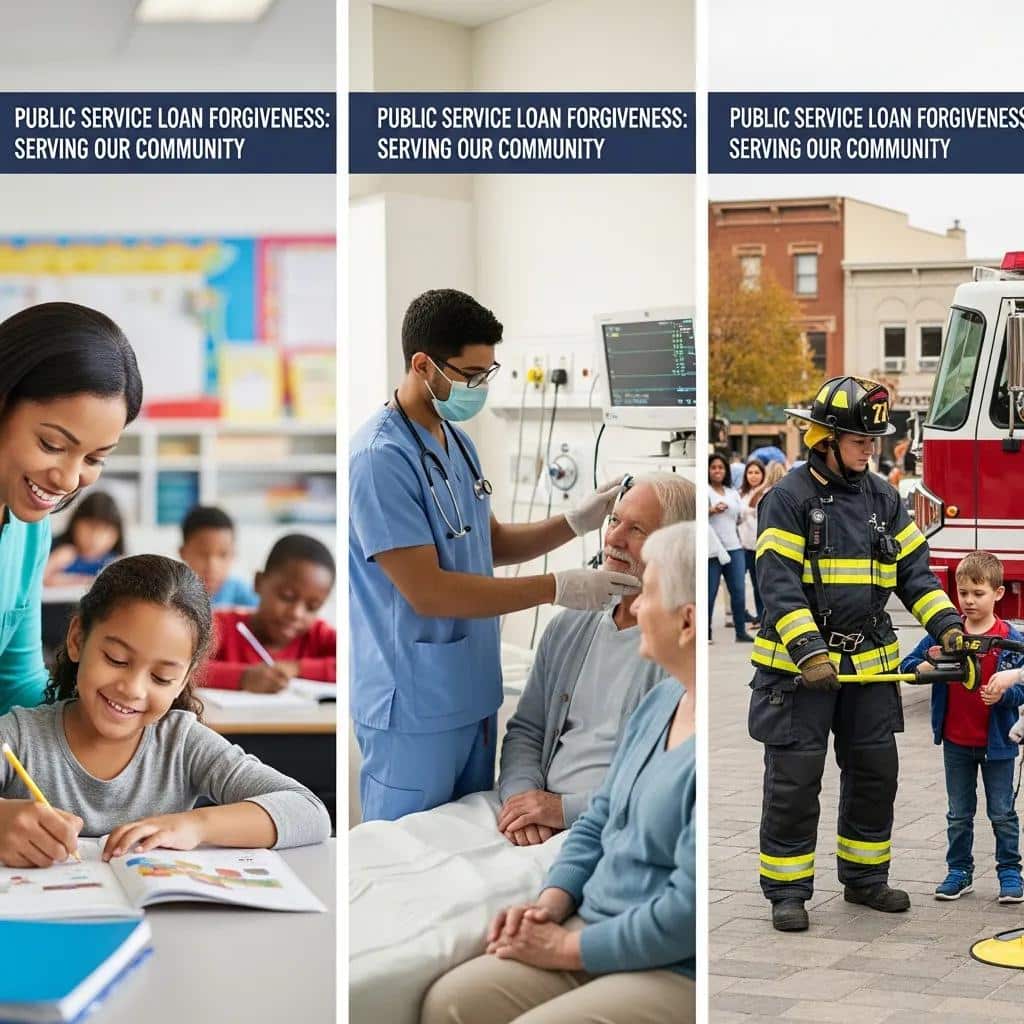
Public Service Loan Forgiveness (PSLF) is a program aimed at encouraging individuals to work in public service jobs. To qualify, borrowers must make 120 qualifying payments while employed full-time by a qualifying employer, such as government organizations or non-profit entities. The remaining balance on their Direct Loans is forgiven after meeting these criteria. This program is particularly beneficial for teachers, nurses, and other public service professionals who often face significant student debt.
What Are Income-Driven Repayment Forgiveness Plans?

Income-Driven Repayment (IDR) plans offer another avenue for student loan forgiveness. These plans adjust monthly payments based on the borrower’s income and family size, making repayment more manageable. After 20 to 25 years of qualifying payments, any remaining loan balance may be forgiven. IDR plans include options like Income-Based Repayment (IBR), Pay As You Earn (PAYE), Revised Pay As You Earn (REPAYE), and Income-Contingent Repayment (ICR), each with specific eligibility criteria and benefits tailored to low-income borrowers.
Who Qualifies for Student Loan Forgiveness in Texas?
Eligibility for student loan forgiveness programs varies based on the specific program and the borrower’s circumstances. Understanding the general criteria and specific requirements for programs like PSLF and IDR is essential for Texas borrowers seeking relief from their student loans.
What Are the Eligibility Criteria for PSLF and IDR Plans?
To qualify for PSLF, borrowers must be employed full-time by a qualifying employer and make 120 qualifying payments under a qualifying repayment plan. For IDR plans, eligibility is based on income and family size, with borrowers required to submit annual documentation to maintain their payment amounts. Both programs require borrowers to have federal Direct Loans, and certain loan types, such as Federal Family Education Loan (FFEL) Program loans or Perkins Loans, may need to be consolidated into Direct Loans to qualify.
Which Careers Qualify for Teacher and Healthcare Loan Forgiveness?
Specific careers in education and healthcare are eligible for additional loan forgiveness options. For instance, teachers who work full-time in low-income schools or educational service agencies for five consecutive years may qualify for Teacher Loan Forgiveness, which can forgive up to $17,500 of their Direct Subsidized and Unsubsidized Loans after five years of service. Similarly, healthcare professionals, including nurses and doctors, may be eligible for programs like the Nurse Corps Loan Repayment Program, which offers loan repayment assistance in exchange for service in underserved areas. Understanding these career-specific qualifications can help borrowers maximize their benefits.
How Do You Apply for Student Loan Forgiveness Programs?
Applying for student loan forgiveness programs involves several steps, depending on the specific program. Understanding the application process can help borrowers navigate the requirements more effectively.
What Is the Step-by-Step Application Process for PSLF?
- Confirm Eligibility: Ensure that you work for a qualifying employer and have Direct Loans.
- Complete the Employment Certification Form: Submit this form to the loan servicer annually or whenever you change employers to confirm your employment and qualifying payments.
- Make 120 Qualifying Payments: Continue making payments under a qualifying repayment plan.
- Submit the PSLF Application: After making 120 qualifying payments, submit the PSLF application to have your remaining balance forgiven.
How to Submit Applications for Income-Driven Repayment Forgiveness?
- Choose an IDR Plan: Select the appropriate IDR plan based on income and family size.
- Submit Income Documentation: Provide necessary documentation to verify income and family size annually.
- Make Payments: Continue making payments as determined by the IDR plan.
- Track Progress: Keep records of payments made to ensure eligibility for forgiveness after the required period.
What Are Other Federal Loan Discharge and Cancellation Options?
In addition to forgiveness programs, borrowers may qualify for federal loan discharge or cancellation under specific circumstances. These options can provide relief for borrowers facing unique challenges.
How Does Total and Permanent Disability Discharge Work?
Total and Permanent Disability Discharge (TPD) is available for borrowers who are unable to work due to a total and permanent disability. To qualify, borrowers must provide documentation from the U.S. Department of Veterans Affairs, the Social Security Administration, or a physician confirming their disability status. Once approved, the borrower’s federal student loans are discharged, relieving them of the financial burden associated with their loans.
What Is Borrower Defense to Repayment and Closed School Discharge?
Borrower Defense to Repayment allows borrowers to seek loan forgiveness if they were misled by their school or if the school engaged in misconduct. Similarly, Closed School Discharge is available for borrowers whose school closed while they were enrolled or shortly after they withdrew. Both options require borrowers to submit specific documentation to support their claims.
How Does Student Loan Forgiveness Impact Your Credit and Finances?
Understanding the financial implications of student loan forgiveness is crucial for borrowers. While forgiveness can provide significant relief, it may also have effects on credit scores and overall financial health.
What Is the Effect of Student Loan Debt on Credit Scores?
Student loan debt can impact credit scores in several ways. High levels of debt may lower credit scores, while timely payments can improve them. However, once loans are forgiven, borrowers may see an improvement in their credit scores as their debt-to-income ratio decreases. This can enhance their ability to secure future loans or credit.
How Can You Avoid Student Loan Forgiveness Scams?
- Research Programs: Verify the legitimacy of any program or service offering assistance.
- Avoid Upfront Fees: Be cautious of companies requesting payment for services that can be obtained for free.
- Consult Trusted Sources: Seek advice from reputable organizations or financial advisors.
What Are the Best Student Loan Debt Relief Options Available in Texas?
Texas borrowers have access to various student loan debt relief options, including state-specific programs and consultation services that can assist in navigating the forgiveness process.
How Does Student Loan Consolidation and Refinancing Help?
Student loan consolidation and refinancing can simplify repayment and potentially lower monthly payments. Consolidation combines multiple federal loans into a single Direct Consolidation Loan, which can make managing payments easier but may affect eligibility for some forgiveness programs. Refinancing, typically done through private lenders, may offer lower interest rates but will convert federal loans into private loans, causing loss of federal benefits such as forgiveness options. Both options can make managing student debt more manageable, especially for borrowers struggling with multiple loans.
What Consultation Services Can Assist Texans with Loan Forgiveness?
Consultation services can provide valuable assistance to Texas borrowers seeking loan forgiveness. These services often include:
- Personalized Guidance: Experts can help borrowers understand their options and eligibility.
- Application Assistance: Professionals can assist with completing and submitting applications for forgiveness.
- Ongoing Support: Consultation services may offer continued support throughout the repayment process.
Frequently Asked Questions
What should I do if my application for student loan forgiveness is denied?
If your application for student loan forgiveness is denied, you have the right to appeal the decision. Review the denial letter carefully to understand the reasons for the rejection. You can gather additional documentation or clarify any misunderstandings. Consider contacting your loan servicer for guidance on the appeals process. Additionally, you may want to consult with a financial advisor or a student loan expert to explore your options and ensure you are following the correct procedures for reapplying or appealing.
Are there any tax implications for receiving student loan forgiveness?
Yes, there can be tax implications when you receive student loan forgiveness. Under current federal law, forgiven student loans are generally considered taxable income. However, the American Rescue Plan Act of 2021 temporarily excludes forgiven student loans from taxable income through 2025. It’s essential to consult a tax professional to understand how forgiveness may impact your tax situation and to stay updated on any changes in tax laws regarding student loan forgiveness.
Can I qualify for multiple student loan forgiveness programs?
Yes, it is possible to qualify for multiple student loan forgiveness programs, but eligibility depends on the specific requirements of each program. For instance, if you work in public service and also meet the criteria for an Income-Driven Repayment (IDR) plan, you may benefit from both. However, it’s crucial to understand how participating in one program may affect your eligibility for another. Consulting with a financial advisor can help you navigate these options effectively.
How can I track my progress toward student loan forgiveness?
Tracking your progress toward student loan forgiveness involves keeping detailed records of your payments and employment status. For programs like Public Service Loan Forgiveness (PSLF), you should submit the Employment Certification Form annually to confirm your qualifying employment and payments. Additionally, maintain a log of your payment history and any correspondence with your loan servicer. Many servicers provide online accounts where you can monitor your payment status and eligibility for forgiveness.
What happens to my loans if I switch jobs while pursuing forgiveness?
If you switch jobs while pursuing student loan forgiveness, it’s essential to ensure that your new employer qualifies under the forgiveness program you are using, such as PSLF. You must submit a new Employment Certification Form to your loan servicer to confirm your new employment. If your new job does not qualify, you may need to adjust your repayment strategy or consider other forgiveness options. Always keep your loan servicer informed of any employment changes to maintain your eligibility.
Is there a deadline for applying for student loan forgiveness?
While there is no universal deadline for all student loan forgiveness programs, specific programs may have application deadlines or time limits for qualifying payments. For example, the PSLF program requires borrowers to submit their application after making 120 qualifying payments. It’s crucial to stay informed about the requirements and deadlines for the specific forgiveness program you are pursuing. Regularly check the official Federal Student Aid website or consult your loan servicer for the most accurate information.
What resources are available for Texas borrowers seeking student loan forgiveness?
Texas borrowers have access to various resources for student loan forgiveness, including state-specific programs, non-profit organizations, and financial advisors specializing in student loans. Websites like the Texas Higher Education Coordinating Board provide information on state programs. Additionally, local credit counseling services can offer personalized guidance. Online forums and support groups can also be valuable for sharing experiences and tips with other borrowers navigating the forgiveness process.
Conclusion
Understanding the various student loan forgiveness programs available in Texas can significantly ease the financial burden of student debt. By exploring options like Public Service Loan Forgiveness and Income-Driven Repayment plans, borrowers can find tailored solutions that align with their career paths and financial situations. Taking proactive steps to apply for these programs can lead to substantial relief and improved financial health. For personalized assistance, consider reaching out to a financial advisor or exploring our resources to guide you through the forgiveness process.