Identity Theft & Credit Fraud: What to Do

Identity Theft & Credit Fraud: What to Do to Report, Protect, and Repair Your Credit
Identity theft and credit fraud are serious issues that can have devastating effects on your financial health. In this article, you will learn about the nature of these crimes, the immediate steps to take if you become a victim, and how to repair your credit afterward. Understanding identity theft and credit fraud is crucial for protecting your financial future. This guide will provide you with essential information on reporting these crimes, safeguarding your credit, and utilizing resources available in Texas. By following the steps outlined here, you can take control of your financial situation and work towards recovery.
What Are Identity Theft and Credit Fraud? Understanding the Risks and Impact
Identity theft occurs when someone uses your personal information, such as your Social Security number or credit card details, without your permission. Credit fraud, a subset of identity theft, involves the unauthorized use of your credit to obtain goods or services. The impact of these crimes can be profound, leading to financial loss, damaged credit scores, and emotional distress.
Statistics reveal that millions of Americans fall victim to identity theft each year, with significant financial repercussions. Victims often face challenges in restoring their credit and may experience long-term effects on their financial health. Understanding the risks associated with identity theft and credit fraud is the first step in protecting yourself.
Further research highlights the varying financial impact of identity theft, noting that while many victims can recuperate losses, certain demographics are more susceptible to out-of-pocket losses.
Identity Theft: Financial Losses & Victim Recovery
Research consistently finds that individuals with higher incomes have increased rates of identity theft victimization. Although the majority of these victims are able to recuperate losses by contacting various institutions, including credit card companies and banks, many victims still suffer out-of-pocket financial losses. Using logistic regression analyses, the effect of demographic predictors on suffering personal financial losses as a result of identity theft is examined. Drawing on the 2016 National Crime Victimization Survey—Identity Theft Supplement, this study finds that those with lower incomes, lower educational attainment, and those who are unmarried are at an increased risk of suffering out-of-pocket losses. The implications of these differential effects are discussed in the context of past research and victim support.
The differential effects of identity theft victimization: How demographics predict suffering out-of-pocket losses, D Reynolds, 2016
How Does Identity Theft Affect Your Credit Report?
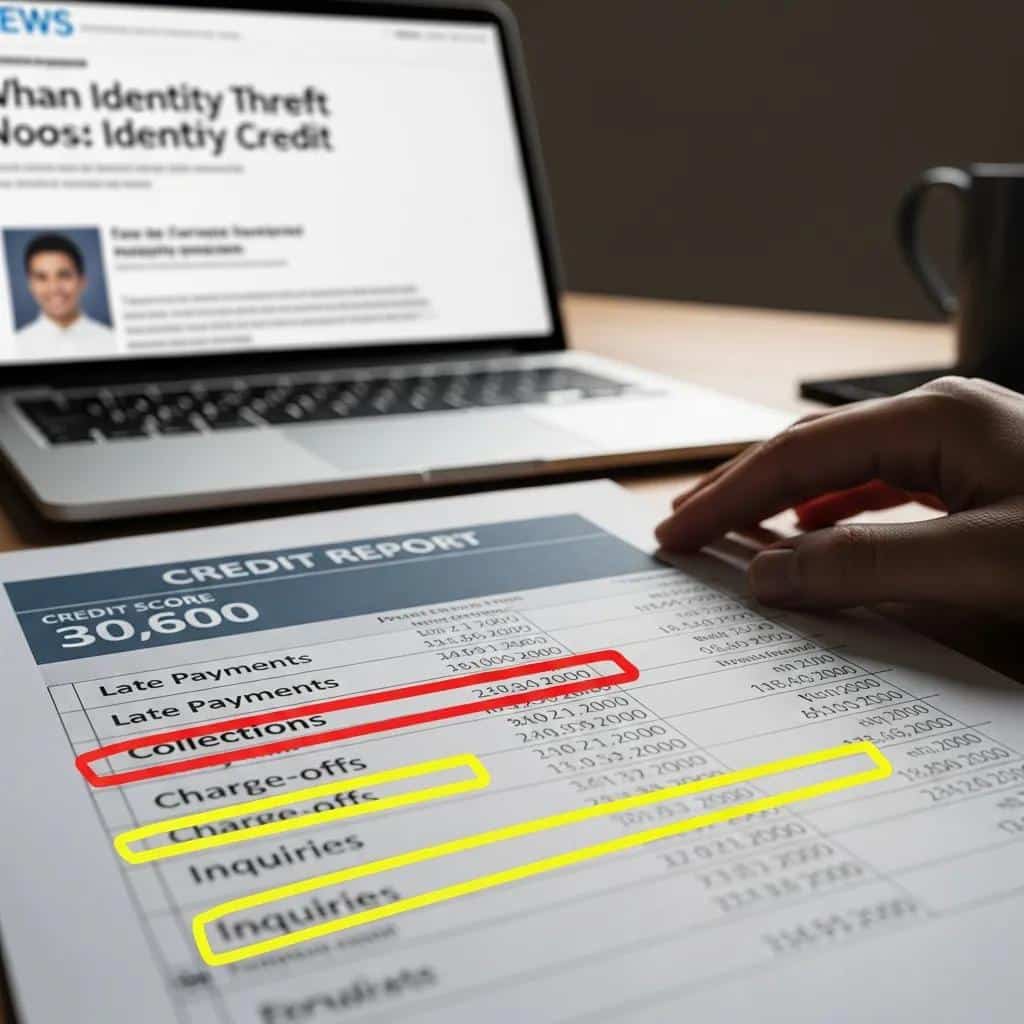
Identity theft can severely damage your credit report. When someone uses your identity to open accounts or make purchases, it can lead to negative entries on your credit report. This may result in a lower credit score, which can affect your ability to secure loans or credit in the future. Additionally, victims may face increased interest rates and difficulty obtaining housing or employment due to their compromised credit history.
What Are Common Types of Credit Fraud to Watch For?
There are several types of credit fraud to be aware of, including:
- Credit Card Fraud: Unauthorized use of your credit card information to make purchases.
- Loan Fraud: Taking out loans in your name without your consent.
- Account Takeover: Gaining access to your existing accounts and changing the account details.
Recognizing the signs of credit fraud, such as unfamiliar charges on your statements or unexpected credit inquiries, is essential for early detection and prevention.
What Are the Immediate Steps to Take After Discovering Identity Theft or Credit Fraud?
If you suspect that you are a victim of identity theft or credit fraud, it is crucial to act quickly. The following steps can help mitigate the damage:
- Contact Financial Institutions: Notify your bank and credit card companies immediately to report any unauthorized transactions.
- Place Fraud Alerts: A fraud alert on your credit report warns creditors to take extra steps to verify your identity before opening new accounts.
- Check Your Credit Reports: Obtain copies of your credit reports to identify any fraudulent accounts or transactions.
Taking these steps promptly can help protect your financial interests and begin the recovery process.
How Do You Report Identity Theft Online to the FTC and Other Agencies?
To report identity theft, you can file a complaint with the Federal Trade Commission (FTC) online. The process involves providing details about the theft and any fraudulent activity. It is essential to document your communications and keep records of your reports. Additionally, you should report the theft to your local police department, especially if you have evidence of a crime.
How to Place a Fraud Alert on Your Credit Report Quickly
Placing a fraud alert on your credit report is a straightforward process. You can contact one of the three major credit bureaus—Equifax, Experian, or TransUnion—to request an alert. The bureau you contact will notify the other two. An initial fraud alert lasts for one year (previously 90 days before 2018), but you can renew it as needed. This alert can help prevent further fraud by requiring creditors to verify your identity before issuing new credit.
How to Use Credit Freeze Protection and Other Safeguards to Prevent Further Fraud
A credit freeze is another effective tool for protecting your credit. It restricts access to your credit report, making it difficult for identity thieves to open new accounts in your name. Unlike a fraud alert, a credit freeze remains in place until you choose to lift it and does not expire automatically.
What Is the Difference Between a Fraud Alert and a Credit Freeze?
The primary difference between a fraud alert and a credit freeze lies in their functionality. A fraud alert notifies creditors to verify your identity, while a credit freeze completely restricts access to your credit report. A fraud alert is easier to set up and can be done online, whereas a credit freeze requires contacting each credit bureau individually.
How to Request a Credit Freeze with Equifax, Experian, and TransUnion

To request a credit freeze, you must contact each of the three major credit bureaus. You will need to provide personal information, including your name, address, Social Security number, and date of birth. Each bureau has its own process, but generally, you can request a freeze online, by phone, or via mail. Once your freeze is in place, you will receive a PIN or password that you can use to lift the freeze when necessary.
How to Fix Your Credit After Identity Theft: Repair and Rebuild Your Financial Health
Repairing your credit after identity theft involves several steps. First, you should dispute any fraudulent accounts or transactions on your credit report. This process typically requires submitting documentation to the credit bureaus and the creditors involved.
What Is the Fast and Effective Dispute Process for Removing Fraudulent Items?
The dispute process involves contacting the credit bureaus to report inaccuracies. You can do this online, by mail, or by phone. Be prepared to provide evidence, such as police reports or identity theft affidavits, to support your claims. The credit bureaus are required to investigate your dispute and respond within 30 days.
How Can Best Texas Credit Pros Help Restore Your Credit Score?
Best Texas Credit Pros specializes in credit repair services, helping individuals recover from identity theft and credit fraud. They assist clients in disputing inaccurate items on their credit reports and provide guidance on rebuilding credit. Their expertise in navigating the complexities of credit repair can significantly improve your chances of restoring your credit score.
How to Prevent Identity Theft and Credit Fraud: Proactive Measures and Texas-Specific Resources
Preventing identity theft and credit fraud requires vigilance and proactive measures. Here are some strategies to help protect your personal information:
- Monitor Your Accounts: Regularly check your bank and credit card statements for unauthorized transactions.
- Use Strong Passwords: Create complex passwords for your online accounts and change them regularly.
- Be Cautious with Personal Information: Avoid sharing sensitive information unless absolutely necessary.
What Are Common Identity Theft Scams and How to Avoid Them?
Common scams include phishing emails, fake websites, and unsolicited phone calls requesting personal information. To avoid falling victim to these scams, always verify the source before providing any information. Be wary of unsolicited communications and use secure websites when entering personal data.
Which Texas Resources and Legal Protections Can You Use?
In Texas, several resources are available to assist victims of identity theft. The Texas Attorney General’s office provides information on reporting identity theft and accessing legal protections. Additionally, local consumer protection agencies can offer guidance and support for navigating the recovery process.
Frequently Asked Questions
What should I do if I suspect my identity has been stolen?
If you suspect identity theft, act quickly. Start by contacting your bank and credit card companies to report any unauthorized transactions. Place a fraud alert on your credit report by contacting one of the three major credit bureaus. Additionally, check your credit reports for any unfamiliar accounts or transactions. Document everything and consider filing a report with the Federal Trade Commission (FTC) and your local police department to create an official record of the theft.
How can I monitor my credit for signs of fraud?
Monitoring your credit is essential for early detection of fraud. You can obtain free credit reports annually from each of the three major credit bureaus at AnnualCreditReport.com. Additionally, consider enrolling in a credit monitoring service that alerts you to changes in your credit report, such as new accounts or inquiries. Regularly reviewing your bank and credit card statements for unauthorized transactions is also crucial in identifying potential fraud early.
What are the long-term effects of identity theft on my credit score?
Identity theft can have lasting effects on your credit score, including negative entries from fraudulent accounts. These entries can lower your credit score, making it difficult to secure loans or favorable interest rates in the future. Even after resolving the issues, it may take time to rebuild your credit. Consistent monitoring, timely disputes of inaccuracies, and responsible credit use are essential for restoring your credit health over time.
Can I remove fraudulent accounts from my credit report?
Yes, you can remove fraudulent accounts from your credit report. Start by disputing the inaccuracies with the credit bureaus. Provide documentation, such as a police report or identity theft affidavit, to support your claim. The bureaus are required to investigate your dispute and respond within 30 days. If the investigation confirms the accounts are fraudulent, they will be removed from your credit report, helping to restore your credit score.
What steps can I take to prevent future identity theft?
To prevent future identity theft, adopt proactive measures such as regularly monitoring your financial accounts and credit reports. Use strong, unique passwords for online accounts and enable two-factor authentication where possible. Be cautious about sharing personal information, especially online. Consider placing a credit freeze or fraud alert on your credit report to restrict access to your information. Educating yourself about common scams can also help you avoid falling victim to identity theft.
Are there specific resources in Texas for identity theft victims?
Yes, Texas offers several resources for identity theft victims. The Texas Attorney General’s office provides information on reporting identity theft and accessing legal protections. Local consumer protection agencies can assist with recovery processes. Additionally, the Federal Trade Commission (FTC) serves as a national resource for reporting identity theft. Utilizing these resources can help you navigate the complexities of recovery and ensure you receive the support you need.
Conclusion
Understanding the risks of identity theft and credit fraud is essential for safeguarding your financial health. By taking proactive measures and knowing how to respond if you become a victim, you can protect your credit and work towards recovery. Utilize the resources available in Texas to navigate this challenging process effectively. Start taking control of your financial future today by exploring our expert credit repair services.