How to Save Money on Groceries: Smart Shopping Tips

How to Save Money on Groceries: Smart Shopping Tips for Texas Families
Saving money on groceries is a crucial skill for families, especially in Texas, where the cost of living can vary widely depending on the area. This article will provide practical strategies to help you cut down on your grocery expenses without sacrificing quality or nutrition. By implementing smart shopping tips, you can stretch your budget further and make informed choices that benefit your family’s health and finances. We will explore effective budgeting strategies, meal planning techniques, smart shopping methods, and the importance of reducing food waste. Additionally, we will discuss how financial wellness, including credit repair, can impact your grocery spending.
What Are the Best Grocery Budgeting Strategies for Texas Households?
Effective grocery budgeting is essential for managing household expenses and ensuring that families can afford nutritious food. By establishing a clear budget, families can prioritize their spending and avoid unnecessary purchases. Here are some key strategies to help Texas households create a successful grocery budget:
- Set a Budget Limit: Determine how much you can afford to spend on groceries each week or month. This limit should be realistic and based on your overall financial situation.
- Track Expenses: Keep a record of your grocery spending to identify patterns and areas where you can cut back. Use apps or spreadsheets to make tracking easier.
- Adjust as Needed: Review your budget regularly and make adjustments based on changes in income or expenses. Flexibility is key to staying on track.
How to Create a Weekly Grocery Budget That Works
Creating a weekly grocery budget involves several steps to ensure you stay within your financial limits. Start by calculating your total income and subtracting essential expenses. Allocate a specific amount for groceries based on your remaining budget. Use a grocery list to guide your shopping, focusing on items you need rather than impulse buys. This approach helps you stick to your budget and reduces food waste.
What Are Effective Meal Planning Techniques to Cut Food Costs?
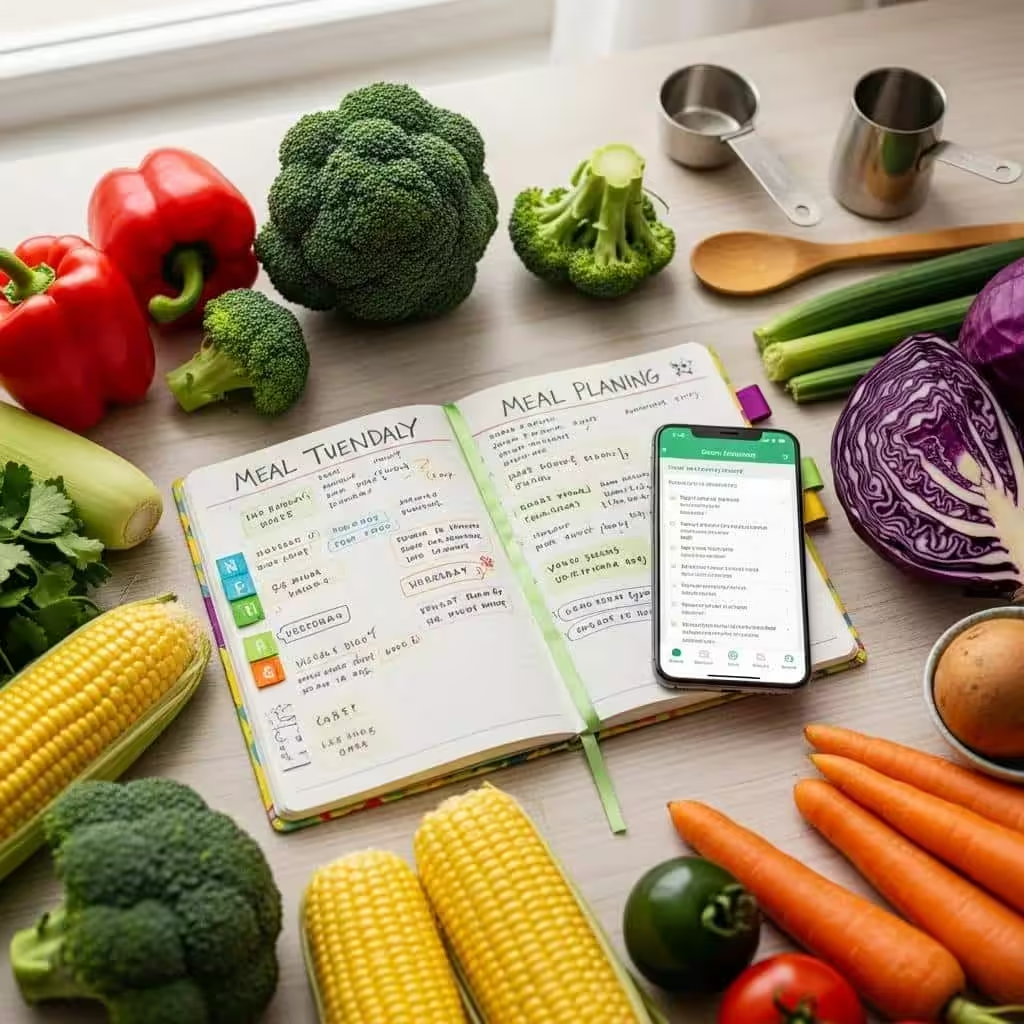
Meal planning is a powerful tool for reducing grocery costs. By planning your meals for the week, you can make more informed shopping decisions and minimize food waste. Here are some effective techniques:
Studies consistently demonstrate that planned meals lead to substantial cost savings and more efficient grocery shopping.
Meal Planning for Grocery Cost Savings
Other benefits of planned meals include cost savings, more efficient grocery shopping, and fewer food shopping trips to purchase forgotten items. Meal planning also helps to make
A tool for facilitating meal planning, C Byrd-Bredbenner, 2010
- Plan Around Sales: Check local grocery store flyers for sales and discounts. Incorporate these items into your meal plan to save money.
- Use Seasonal Ingredients: Seasonal produce is often cheaper and fresher. Plan meals that highlight these ingredients to maximize savings.
- Batch Cooking: Prepare large quantities of meals and freeze portions for later use. This not only saves time but also reduces the likelihood of last-minute takeout.
Indeed, research into Texas grocery costs highlights how strategic choices in fresh produce can significantly impact weekly spending.
Texas Grocery Costs: Affordability of Fresh Produce
The mean cost of meeting the USDA recommendation of fruit consumption from a high variety basket of fruit types in our sample of stores was just over $27.50 per week. Relying on the three most common fruits lowered the weekly expense to under $17.25 per week, a reduction of 37.6%.
Socio-economic status, racial composition and the affordability of fresh fruits and vegetables in neighborhoods of a large rural region in
Texas, RA Dunn, 2011
How Can Texans Use Smart Shopping Techniques to Maximize Grocery Savings?
Smart shopping techniques can significantly enhance your grocery savings. By being strategic about where and how you shop, you can take advantage of discounts and promotions. Here are some effective methods:
- Understand Store Sales: Familiarize yourself with the sales cycles of your local grocery stores. Many stores have weekly sales, and knowing when to shop can lead to substantial savings.
- Use Coupons Effectively: Coupons can provide significant discounts on your grocery bill. Look for digital coupons on store apps or websites, and combine them with sales for maximum savings.
- Shop at the Right Times: Shopping during off-peak hours can lead to better deals, as stores sometimes mark down items to clear inventory. Early mornings or late evenings are typically less crowded.
Which Texas Grocery Store Loyalty Programs Offer the Best Deals?
Many grocery stores in Texas offer loyalty programs that provide exclusive discounts and rewards. Here are some popular options:
- H-E-B: Their loyalty program offers personalized discounts based on your shopping habits, making it easier to save on frequently purchased items.
- Kroger: With their Plus Card, you can access special promotions and earn fuel points for discounts on gas.
- Albertsons: Their Just for U program provides digital coupons and personalized deals based on your shopping history.
What Are the Top Coupon and Rebate Apps for Texas Shoppers?
Utilizing coupon and rebate apps can further enhance your grocery savings. Here are some of the top apps for Texas shoppers:
- Ibotta: This app allows you to earn cash back on grocery purchases by submitting your receipts and selecting offers before shopping.
- Rakuten: Formerly known as Ebates, Rakuten offers cash back on online grocery purchases and can be combined with other discounts.
- Flipp: Flipp aggregates weekly ads and coupons from various stores, making it easy to find the best deals in your area.
How Does Reducing Food Waste Help Save Money on Groceries?

Reducing food waste is not only environmentally friendly but also a smart financial strategy. When families waste food, they waste money. Here are some ways to minimize waste and save on groceries:
Specifically, a study focusing on Texas households identifies key behavioral factors, such as overproduction and excessive purchases, that contribute to food wastage.
Reducing Food Waste in Texas Households
The behavior factor of the household also holds them accountable for food wastage. The behavior includes overproduction, excessive purchases, and inappropriate conservation
Determining the consumer perception on perishable food wastage in Texas, SR Pandey, 2023
- Plan Meals Wisely: By planning meals and using ingredients efficiently, you can reduce the likelihood of food spoilage.
- Store Food Properly: Understanding how to store food in Texas climates can extend its freshness. For example, keep fruits and vegetables in the right conditions to prevent spoilage.
- Use Leftovers Creatively: Transforming leftovers into new meals can help you make the most of your groceries. Consider using leftover chicken in a stir-fry or turning stale bread into croutons.
What Are Creative Ways to Use Leftovers and Prevent Spoilage?
Using leftovers creatively can significantly reduce food waste. Here are some ideas:
- Make Soups and Stews: Combine leftover vegetables and proteins to create hearty soups or stews.
- Create Casseroles: Layer leftovers with grains or pasta to make a delicious casserole.
- Smoothies: Use overripe fruits in smoothies to avoid waste while enjoying a nutritious snack.
How to Store Food Smartly in Texas Climates to Extend Freshness?
Proper food storage is crucial in Texas, where heat and humidity can accelerate spoilage. Here are some tips:
- Refrigerate Promptly: Store perishable items in the refrigerator as soon as possible to maintain freshness.
- Use Airtight Containers: Keep dry goods in airtight containers to prevent moisture and pests.
- Know Your Produce: Some fruits and vegetables should be stored in the fridge, while others do better at room temperature. Familiarize yourself with the best storage practices for each type.
Where Can Texas Families Find Local and Alternative Grocery Sources?
Exploring local and alternative grocery sources can provide fresh produce and unique products while supporting local economies. Here are some options for Texas families:
- Farmers Markets: Local farmers markets offer fresh, seasonal produce at competitive prices. They also provide an opportunity to connect with local farmers and learn about sustainable practices.
- Community Supported Agriculture (CSA): Joining a CSA allows families to receive a regular supply of fresh produce directly from local farms, often at a lower cost than traditional grocery stores.
- Food Co-ops: Food cooperatives often provide organic and locally sourced products at reduced prices for members.
What Are the Best Texas Farmers Markets for Affordable Produce?
Texas is home to numerous farmers markets that offer affordable and fresh produce. Some of the best include:
- Dallas Farmers Market: A vibrant market featuring local vendors and a variety of fresh produce, meats, and artisanal goods.
- Houston Farmers Market: One of the largest in the state, offering a wide selection of local produce and specialty items.
- Austin Farmers Market: Known for its commitment to local and sustainable agriculture, this market features a diverse range of vendors.
How Do Food Assistance Programs Like SNAP and WIC Support Grocery Budgets in Texas?
Food assistance programs play a vital role in helping families manage their grocery budgets. Programs like SNAP (Supplemental Nutrition Assistance Program) and WIC (Women, Infants, and Children) provide financial support for purchasing nutritious food. Here’s how they help:
- SNAP Benefits: Eligible families receive monthly benefits that can be used to purchase food at participating retailers, helping to alleviate financial strain.
- WIC Program: This program offers specific food benefits for pregnant women, new mothers, and young children, ensuring they have access to essential nutrients.
How Does Financial Wellness Impact Grocery Spending for Texas Families?
Financial wellness significantly influences grocery spending. Families with better financial health can allocate more resources toward nutritious food options. Here are some key points to consider:
- Impact of Credit Scores: A higher credit score can lead to better loan terms and lower interest rates, freeing up more money for groceries.
- Budgeting for Groceries: Understanding personal finance and budgeting can help families prioritize grocery spending and avoid debt.
- Financial Literacy Importance: Educating families about financial management can empower them to make informed decisions regarding their grocery budgets.
How Can Credit Repair Improve Your Household Budget and Grocery Affordability?
Credit repair can enhance your financial situation by removing inaccurate negative items from your credit report. This improvement can lead to better credit scores, which may result in lower interest rates on loans and credit cards. As a result, families can allocate more funds toward groceries and other essential expenses. Best Texas Credit Pros specializes in credit repair services, helping clients achieve financial stability and peace of mind.
What Debt Management Tips Help Free Up Money for Groceries?
Managing debt effectively can free up additional funds for grocery spending. Here are some actionable tips:
- Create a Debt Repayment Plan: Prioritize high-interest debts and create a structured repayment plan to reduce overall debt.
- Consolidate Loans: Consider consolidating loans to lower monthly payments and interest rates.
- Cut Unnecessary Expenses: Review your budget for non-essential expenses that can be reduced or eliminated, allowing more room for groceries.
Frequently Asked Questions
What are some tips for shopping at farmers markets in Texas?
Shopping at farmers markets can be a rewarding experience. To maximize your visit, arrive early for the best selection and freshest produce. Bring cash, as some vendors may not accept cards. Don’t hesitate to ask farmers about their growing practices; many are happy to share information. Additionally, consider buying in bulk or forming a group with friends to split larger quantities, which can save money. Lastly, be flexible with your shopping list; seasonal items often offer the best value and flavor.
How can I effectively use coupons without getting overwhelmed?
Using coupons can be a great way to save money, but it can also feel overwhelming. Start by focusing on a few stores where you frequently shop. Sign up for their newsletters to receive digital coupons directly. Organize your coupons by category or store to make them easier to find. Set a specific time each week to plan your shopping around the best deals. Remember, only use coupons for items you would normally buy to avoid unnecessary purchases that can negate your savings.
What are some common mistakes to avoid when budgeting for groceries?
When budgeting for groceries, avoid common pitfalls such as underestimating your spending or failing to account for price fluctuations. Many families forget to include household items like cleaning supplies and toiletries in their grocery budget. Another mistake is not adjusting the budget based on seasonal changes or special occasions, which can lead to overspending. Lastly, neglecting to track your actual spending can result in going over budget. Regularly reviewing your expenses helps you stay on track and make necessary adjustments.
How can meal prepping help with grocery budgeting?
Meal prepping is an effective strategy for grocery budgeting as it allows you to plan meals in advance, reducing impulse purchases. By preparing meals for the week, you can buy ingredients in bulk, which often leads to cost savings. Additionally, meal prepping minimizes food waste, as you are more likely to use all the ingredients you purchase. It also saves time during busy weekdays, making it easier to stick to your budget and avoid the temptation of takeout or convenience foods.
What role do seasonal foods play in grocery savings?
Seasonal foods are typically more affordable and fresher than out-of-season produce, making them a smart choice for budget-conscious shoppers. When you buy fruits and vegetables that are in season, you not only save money but also enjoy better flavor and nutritional value. Additionally, many grocery stores offer discounts on seasonal items to encourage sales. Planning your meals around these seasonal ingredients can significantly reduce your grocery bill while supporting local farmers and sustainable practices.
How can I involve my family in grocery budgeting and meal planning?
Involving your family in grocery budgeting and meal planning can foster teamwork and accountability. Start by discussing your grocery budget together and setting goals as a family. Encourage everyone to contribute ideas for meals, which can make planning more enjoyable. Assign tasks, such as creating the shopping list or researching recipes, to different family members. This not only teaches valuable skills but also helps everyone feel invested in the process, making it more likely that they will stick to the budget.
What are some strategies for reducing food waste at home?
Reducing food waste at home can significantly impact your grocery budget. Start by planning meals carefully and using a shopping list to avoid buying unnecessary items. Store food properly to extend its shelf life; for example, keep fruits and vegetables in the right conditions to prevent spoilage. Get creative with leftovers by transforming them into new meals, such as soups or casseroles. Lastly, regularly check your pantry and fridge to use up items before they expire, ensuring nothing goes to waste.
Conclusion
Implementing smart shopping strategies can significantly reduce grocery expenses for Texas families, allowing them to enjoy nutritious meals without breaking the bank. By utilizing effective budgeting, meal planning, and local resources, families can maximize their savings while minimizing food waste. Embrace these practical tips to enhance your financial wellness and make informed grocery choices. Start your journey towards smarter shopping today by exploring our comprehensive resources and tools.