Free Sample Dispute Letters for Credit Repair

Free Sample Dispute Letters for Credit Repair: How to Use Templates to Improve Your Credit Score
Navigating the complexities of credit repair can be daunting, especially when it comes to disputing inaccuracies on your credit report. Free sample dispute letters serve as essential tools for individuals looking to improve their credit scores by addressing errors effectively. This article will guide you through the importance of credit dispute letters, how to write them, where to find templates, and the benefits of using attorney-backed letters. By understanding the process and utilizing these resources, you can take significant steps toward enhancing your credit profile.
What Is a Credit Dispute Letter and Why Is It Important?
A credit dispute letter is a formal request sent to credit bureaus or creditors to challenge inaccuracies found in your credit report. These letters are crucial because they initiate the process of correcting errors that can negatively impact your credit score. By disputing incorrect information, you can potentially improve your creditworthiness and increase your chances of obtaining loans or favorable interest rates. The Fair Credit Reporting Act (FCRA) provides legal protections for consumers, ensuring that credit reporting agencies investigate disputes and rectify any inaccuracies.
How Do Dispute Letters Help Correct Credit Report Errors?
Dispute letters help correct credit report errors by formally notifying credit bureaus of inaccuracies. Common errors include late payments that were paid on time, accounts that do not belong to you, or incorrect account balances. When you send a dispute letter, the credit bureau is required to investigate the claim, typically within 30 days. If they find the information to be inaccurate or unverifiable, they must remove or correct it, which can lead to an improved credit score.
However, the dispute process isn’t always straightforward, and sometimes automated systems can fail to correct errors, as illustrated in this case study:
Consumer Credit Report Dispute Process
In 2003, Saenz requested a copy of his credit report from Trans Union, a credit reporting agency. The report listed the $512.31 debt as outstanding, in error, which Saenz disputed. Trans Union initiated an automated consumer dispute verification (“ACDV”) procedure, a system that compares the credit reporting agency’s data to data provided by the creditor. The system wrongfully verified the information and Trans Union did not amend the credit report. Saenz disputed again with further evidence of payment, and Trans Union initiated a second ACDV without providing the evidence to NCO. The ACDV verified the information again, and Saenz’s credit report continued t
The (Un) Fair Credit Reporting Act: How Courts Have Undermined the Protections of the FCRA, 2024
What Legal Protections Support Credit Disputes Under the FCRA?
The Fair Credit Reporting Act (FCRA) provides essential legal protections for consumers disputing inaccuracies on their credit reports. Under the FCRA, consumers have the right to dispute any information they believe is incorrect or incomplete. Credit reporting agencies are obligated to investigate these disputes and respond within 30 days. Additionally, the FCRA mandates that consumers are informed of the results of their disputes, ensuring transparency in the credit reporting process.
Understanding the specifics of what constitutes a reasonable reinvestigation under the FCRA is crucial, especially when legal disputes arise:
FCRA Reinvestigation for Credit Disputes
FCRA, what a reasonable reinvestigation by a credit reporting agency entails when the parties have a legal dispute
The (Un) fair Credit Reporting Act: How Courts Have Undermined the Protections of the FCRA, 2023
How to Write an Effective Credit Dispute Letter: Step-by-Step Guide
Writing an effective credit dispute letter involves several key steps to ensure that your request is clear and actionable. A well-crafted letter can significantly increase the chances of a successful dispute.
What Key Elements Should a Credit Dispute Letter Include?
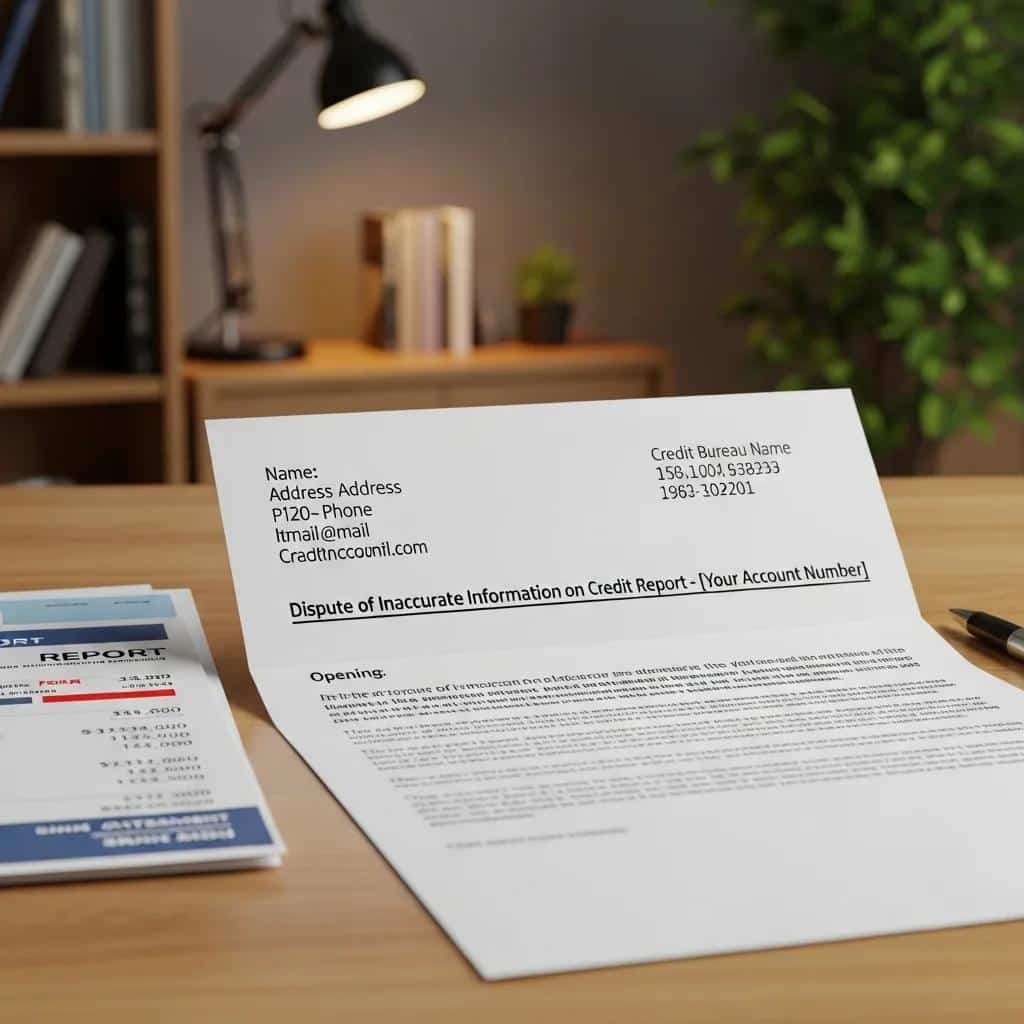
An effective credit dispute letter should include the following key elements:
- Your Contact Information: Include your name, address, and phone number at the top of the letter.
- Credit Bureau Information: Address the letter to the appropriate credit bureau, including their address.
- Subject Line: Clearly state that the letter is a dispute regarding your credit report.
- Description of the Dispute: Provide a detailed explanation of the error, including account numbers and specific inaccuracies.
- Supporting Documentation: Attach copies of any relevant documents that support your claim, such as payment receipts or account statements.
- Request for Action: Clearly state what you want the credit bureau to do, such as correcting or removing the inaccurate information.
How to Personalize Dispute Letters for Different Credit Issues?
Personalizing dispute letters for different credit issues is essential for addressing specific inaccuracies effectively. For instance, if disputing a late payment, include details about the payment date and any evidence of timely payment. If the dispute involves identity theft, provide documentation proving that the account does not belong to you. Tailoring your letter to the specific issue not only strengthens your case but also demonstrates your diligence in resolving the matter.
Where to Find Free Sample Credit Repair Letters and Templates
Finding free sample credit repair letters and templates can simplify the process of drafting your own dispute letters. Various online resources offer templates that can be customized to fit your specific situation.
Which Types of Dispute Letter Templates Are Available for Common Credit Issues?
There are several types of dispute letter templates available for common credit issues, including:
- Late Payment Dispute Letter: For challenging late payments that were made on time.
- Identity Theft Dispute Letter: For disputing accounts opened fraudulently in your name.
- Goodwill Letter: For requesting the removal of negative information based on a history of good payment behavior.
How to Use Free Credit Dispute Letter Generators and Downloadable Forms?
Free credit dispute letter generators and downloadable forms can streamline the process of creating your dispute letters. To use these tools effectively:
- Select a Template: Choose a template that matches your specific dispute type.
- Fill in Your Information: Input your personal details and the specifics of your dispute.
- Review and Customize: Ensure that the letter accurately reflects your situation and includes all necessary details.
- Print and Send: Once finalized, print the letter and send it to the appropriate credit bureau.
How to Send Credit Bureau Dispute Letters and Track Your Progress
Sending credit bureau dispute letters correctly is crucial for ensuring that your disputes are processed efficiently. Following best practices can help you navigate this process smoothly.
What Are the Best Practices for Sending Dispute Letters to Equifax, Experian, and TransUnion?
When sending dispute letters to credit bureaus like Equifax, Experian, and TransUnion, consider these best practices:
- Send via Certified Mail: Use certified mail with a return receipt to confirm that your letter was received.
- Keep Copies: Retain copies of all correspondence for your records.
- Follow Up: If you do not receive a response within 30 days, follow up with the bureau to check on the status of your dispute.
How to Monitor Dispute Outcomes and Use Client Portals for Transparency?
Monitoring dispute outcomes is essential for understanding the effectiveness of your efforts. Many credit bureaus offer client portals where you can track the status of your disputes. To use these portals effectively:
- Create an Account: Register for an account with the credit bureau to access your credit report and dispute status.
- Check Regularly: Log in frequently to monitor updates on your disputes.
- Review Results: Once the investigation is complete, review the results and take further action if necessary.
What Are Attorney-Backed Dispute Letters and How Do They Improve Results?

Attorney-backed dispute letters are crafted by legal professionals and can significantly enhance the effectiveness of your credit disputes. These letters carry more weight due to the legal expertise involved.
Why Choose Attorney-Drafted Dispute Letters Over Generic Templates?
Choosing attorney-drafted dispute letters over generic templates offers several advantages:
- Legal Expertise: Attorneys understand the nuances of credit law and can craft letters that are more likely to elicit a favorable response.
- Customization: These letters can be tailored to your specific situation, addressing unique aspects of your case.
- Higher Success Rates: While there is limited formal research, anecdotal evidence suggests that disputes backed by legal professionals often result in quicker resolutions and higher success rates.
How Fast Can You Expect Credit Score Improvements Using Professional Disputes?
The timeline for seeing credit score improvements through professional disputes can vary. Generally, you may start to see changes within 30 to 45 days after sending a dispute letter. Factors influencing this timeline include:
- Type of Dispute: Some disputes may be resolved more quickly than others, depending on the complexity.
- Credit Bureau Response Time: Credit bureaus are required to investigate disputes within 30 days, but delays can occur.
- Quality of Documentation: Providing thorough and accurate documentation can expedite the process.
What Are Common Credit Repair Dispute Letter Examples and How Do They Work?
Common credit repair dispute letter examples can serve as valuable references when drafting your own letters. These examples illustrate effective formats and language.
Can You See Sample FCRA Dispute Letters for Different Credit Issues?
Sample FCRA dispute letters are available for various credit issues, including:
- Late Payment Dispute: A letter disputing a late payment with supporting documentation.
- Identity Theft Dispute: A letter asserting that an account was opened fraudulently.
- Account Verification Request: A letter requesting verification of an account that appears on your credit report.
How Do Debt Validation and Goodwill Letters Differ from Standard Dispute Letters?
Debt validation letters and goodwill letters serve different purposes compared to standard dispute letters:
- Debt Validation Letters: These letters request verification of a debt from a creditor, ensuring that the debt is legitimate and accurate.
- Goodwill Letters: These letters appeal to creditors to remove negative information based on a history of good payment behavior, often used after a missed payment.
Frequently Asked Questions
What Should I Do If My Dispute Is Denied?
If your dispute is denied, you have several options. First, carefully review the response from the credit bureau to understand their reasoning. If you believe the denial was incorrect, you can gather additional evidence and submit a new dispute. Alternatively, you may consider contacting the creditor directly to resolve the issue. If the problem persists, seeking legal advice or assistance from a credit repair professional can help you navigate the complexities of your situation.
How Long Does the Dispute Process Take?
The dispute process typically takes about 30 days from the time the credit bureau receives your dispute letter. During this period, the bureau is required to investigate the claim and respond with their findings. However, if additional information is needed or if the dispute is complex, it may take longer. It’s essential to keep track of your dispute status and follow up if you do not receive a response within the expected timeframe.
Can I Dispute Multiple Items in One Letter?
Yes, you can dispute multiple items in one letter, but it’s advisable to keep it organized and clear. List each disputed item separately, providing specific details and supporting documentation for each. This approach helps the credit bureau understand your claims better and can lead to a more efficient investigation. However, if the disputes are significantly different, consider sending separate letters to avoid confusion.
What Happens After I Send a Dispute Letter?
After you send a dispute letter, the credit bureau will initiate an investigation, typically within five business days. They will review the information you provided and contact the creditor for verification. You should receive a response within 30 days, detailing the outcome of the investigation. If the information is found to be inaccurate, it will be corrected or removed from your credit report, potentially improving your credit score.
Are There Fees Associated with Disputing Credit Report Errors?
Generally, disputing errors on your credit report is free. The Fair Credit Reporting Act (FCRA) entitles consumers to dispute inaccuracies without incurring fees. However, if you choose to hire a credit repair service or an attorney to assist with your disputes, there may be associated costs. Always ensure you understand any fees before engaging with such services to avoid unexpected charges.
How Can I Protect Myself from Future Credit Report Errors?
To protect yourself from future credit report errors, regularly monitor your credit reports for inaccuracies. You are entitled to one free credit report per year from each of the three major credit bureaus. Additionally, consider setting up alerts for any significant changes to your credit report. Practicing good credit habits, such as paying bills on time and keeping credit utilization low, can also help maintain a positive credit profile.
Conclusion
Utilizing free sample dispute letters can significantly enhance your credit repair efforts by providing a structured approach to addressing inaccuracies. These templates not only save time but also empower you to take control of your credit profile effectively. By leveraging the resources available, you can improve your credit score and open doors to better financial opportunities. Start exploring our collection of customizable dispute letter templates today.