

Personal Finance Basics: A Beginner's Guide to Budgeting, Saving, Debt, and Credit for Texans
Understanding personal finance is crucial for anyone looking to achieve financial stability and success. This guide will provide you with essential knowledge about budgeting, saving, debt management, and credit, tailored specifically for beginners in Texas. Personal finance encompasses various aspects, including how to manage your income, expenses, and savings effectively. Many individuals struggle with financial planning, leading to stress and uncertainty about their financial future. This article aims to equip you with the tools and knowledge necessary to navigate your financial journey confidently. We will explore the key pillars of personal finance, budgeting strategies, the importance of emergency funds, debt management techniques, the impact of credit scores, and the basics of saving and investing.
Indeed, financial education is a cornerstone for fostering responsible financial behavior and achieving long-term stability.
Financial Education for Responsible Behavior
which behavioral effects can we expect from financial education? How can education be In chapter 10 , we will discuss responsible financial behavior, financial education, integral
Understanding consumer financial behavior: Money management in an age of financial illiteracy, WF Van Raaij, 2016
What Is Personal Finance and Why Is It Important for Beginners?
Personal finance refers to the management of an individual’s financial activities, including budgeting, saving, investing, and planning for future financial goals. It is essential for beginners to understand personal finance as it lays the foundation for financial literacy and responsible money management. By grasping the principles of personal finance, individuals can make informed decisions that positively impact their financial well-being. In Texas, where economic factors can vary significantly, understanding personal finance is particularly important for navigating local financial challenges.
Cultivating financial literacy is a critical step towards effective money management and ultimately, financial success.
Financial Literacy for Money Management & Success
money management mechanism to bring about control and success in the global markets. This brings us to financial literacy. The Financial education must seek to impart responsible
Literacy in money management–A path to sustainable growth, 2015
What Are the Key Pillars of Personal Finance?
The key pillars of personal finance include income management, expense tracking, saving, and investing.
- Income Management: Understanding your income sources and how to maximize them is crucial for financial stability.
- Expense Tracking: Keeping track of your expenses helps identify spending patterns and areas where you can cut back.
- Saving: Establishing a savings plan is vital for achieving financial goals and preparing for emergencies.
- Investing: Learning about investment options can help grow your wealth over time.
These pillars work together to create a comprehensive approach to managing your finances effectively.
How Does Personal Finance Impact Your Financial Well-Being in Texas?
In Texas, personal finance significantly impacts financial well-being due to various local economic factors. For instance, the cost of living can vary widely across cities like Dallas, Houston, and Austin. Understanding personal finance helps individuals navigate these differences and make informed decisions about housing, transportation, and other essential expenses. Additionally, financial literacy can empower Texans to tackle common financial challenges, such as student loans and credit card debt, ultimately leading to improved financial health and stability.
How Do You Create and Manage a Budget for Beginners?

Creating and managing a budget is a fundamental skill for anyone looking to take control of their finances. A budget helps you allocate your income effectively, ensuring that you can cover your expenses while saving for future goals.
What Are the Steps to Build a Practical Budget in Texas?
Building a practical budget involves several key steps:
- Set Financial Goals: Determine what you want to achieve financially, whether it’s saving for a home, paying off debt, or building an emergency fund.
- Estimate Income and Expenses: Calculate your total monthly income and list all your expenses, including fixed and variable costs.
- Adjust Your Budget: Based on your income and expenses, make necessary adjustments to ensure you can meet your financial goals.
By following these steps, you can create a budget that works for your unique financial situation.
How Can You Track Expenses and Differentiate Needs vs. Wants?
Tracking expenses is essential for effective budgeting. Here are some methods to help you:
- Use Budgeting Apps: Many apps can help you track your spending and categorize expenses.
- Manual Tracking: Keep a journal or spreadsheet to record your daily expenses.
- Understand Needs vs. Wants: Differentiate between essential expenses (needs) and discretionary spending (wants) to prioritize your budget effectively.
By implementing these tracking methods, you can gain better control over your finances and make informed spending decisions.
Why Is Building an Emergency Fund Essential and How Do You Start?
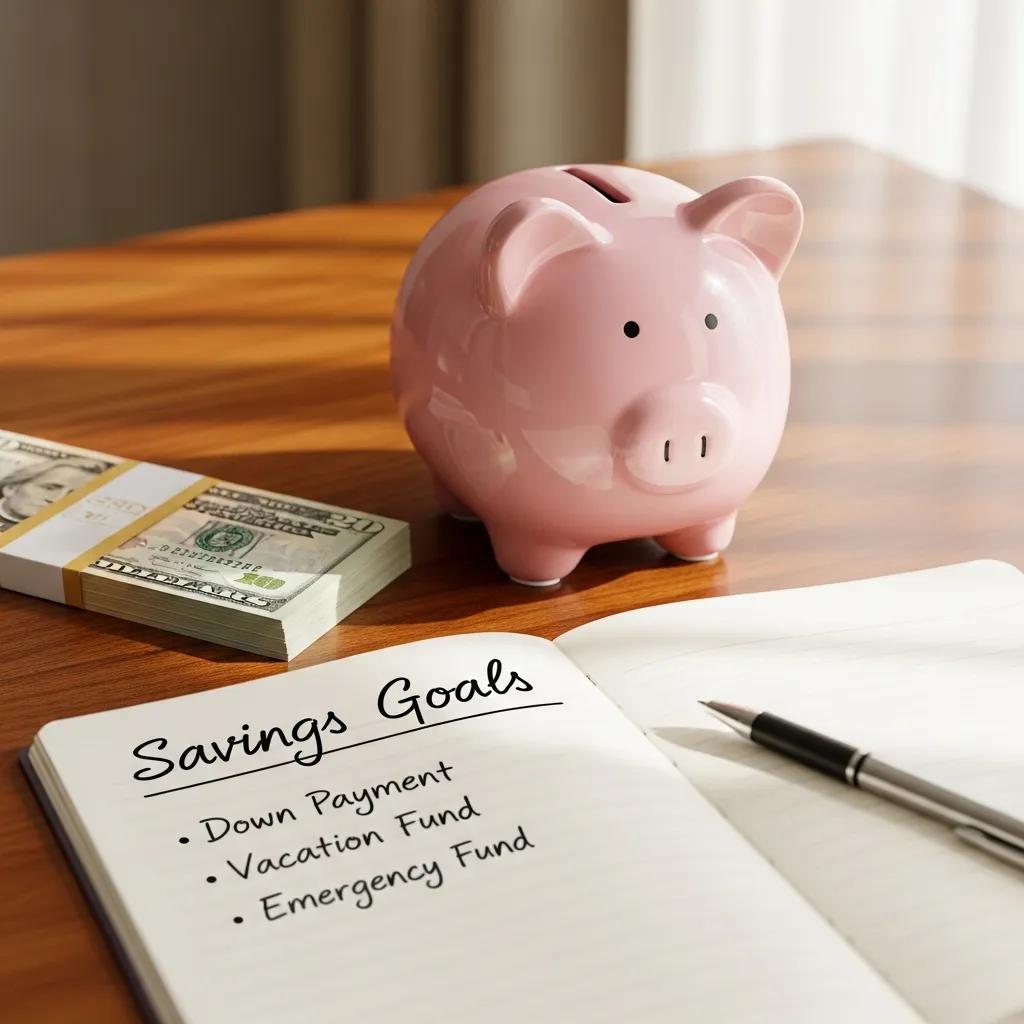
An emergency fund is a savings buffer that can help you cover unexpected expenses, such as medical bills or car repairs. Building an emergency fund is essential for financial security and peace of mind.
What Is an Emergency Fund and How Much Should You Save?
An emergency fund is typically recommended to cover three to six months’ worth of essential living expenses. This fund provides a financial safety net during challenging times, allowing you to avoid debt when unexpected costs arise.
Where Should Texans Keep Their Emergency Fund for Safety and Growth?
When choosing where to keep your emergency fund, consider the following options:
- High-Yield Savings Accounts: These accounts offer better interest rates than traditional savings accounts, helping your money grow while remaining accessible.
- Money Market Accounts: These accounts often provide higher interest rates and limited check-writing capabilities.
- Local Banks vs. Online Banks: Compare interest rates and fees between local and online banks to find the best option for your needs.
By selecting the right account for your emergency fund, you can ensure your savings are both safe and growing.
What Are Effective Debt Management Strategies for Beginners?
Managing debt effectively is crucial for maintaining financial health. Understanding different debt types and repayment strategies can help you take control of your financial situation.
What Types of Debt Should You Know About?
There are several types of debt that individuals commonly encounter:
- Good Debt: This includes loans that can help you build wealth, such as student loans or mortgages.
- Bad Debt: High-interest debt, like credit card debt, can lead to financial strain if not managed properly.
- Secured vs. Unsecured Debt: Secured debt is backed by collateral, while unsecured debt is not, affecting how lenders view your creditworthiness.
Understanding these types of debt is essential for making informed financial decisions.
How Do Debt Repayment Methods Like Snowball and Avalanche Work?
Two popular debt repayment methods are the snowball and avalanche strategies:
- Snowball Method: Focus on paying off the smallest debts first while making minimum payments on larger debts. This method can provide quick wins and motivation.
- Avalanche Method: Prioritize paying off debts with the highest interest rates first, which can save you money in the long run.
Both methods have their advantages, and choosing the right one depends on your financial situation and personal preferences.
How Does Your Credit Score Affect Your Financial Opportunities in Texas?
Your credit score is a crucial factor in determining your financial opportunities, including loan approvals and interest rates. Understanding how credit scores work can help you make better financial decisions.
The impact of credit scores extends beyond loans, influencing various aspects of financial life for Texans, including insurance policies.
Credit Scores & Texans: Insurance Policy Impact
Dividing consumers into deciles by minorities and middle class Texans and that other established of using credit scores to underwrite insurance policies violated
Disparate Impact, Federal/State Tension, and the Use of Credit Scores by Insurance Companies, 2006
What Is a Credit Score and How Is It Calculated?
A credit score is a numerical representation of your creditworthiness, typically ranging from 300 to 850. It is calculated based on several factors, including:
- Payment History: Timely payments positively impact your score.
- Credit Utilization: Keeping your credit card balances low relative to your limits is beneficial.
- Length of Credit History: A longer credit history can improve your score.
- Credit Mix: Having a variety of credit types can positively affect your score.
- New Credit: Opening several new credit accounts in a short period can lower your score.
By understanding these factors, you can take steps to improve your credit score.
How Can You Improve Your Credit Score Basics?
Improving your credit score involves several actionable steps:
- Pay Bills on Time: Consistently making payments on time is crucial for maintaining a good credit score.
- Reduce Credit Utilization: Aim to keep your credit utilization below 30% of your total credit limit.
- Check Credit Reports Regularly: Review your credit reports for errors and dispute any inaccuracies.
By following these tips, you can work towards achieving a higher credit score, which can open up more financial opportunities.
What Are the Basics of Saving and Investing for Beginners?
Saving and investing are essential components of personal finance that can help you build wealth over time. Understanding the basics can set you on the path to financial success.
What Are Common Saving Strategies Suitable for Texans?
Effective saving strategies include:
- Setting Savings Goals: Define specific goals, such as saving for a vacation or a down payment on a home.
- Automating Savings: Set up automatic transfers to your savings account to ensure consistent contributions.
- Using High-Yield Accounts: Take advantage of high-yield savings accounts to maximize your savings growth.
What Are Basic Investment Options Like 401(k), IRA, and Stocks?
Investing is a crucial aspect of building wealth. Here are some basic investment options:
- 401(k) Plans: Employer-sponsored retirement accounts that often include matching contributions.
- IRAs: Individual Retirement Accounts that offer tax advantages for retirement savings.
- Stocks: Investing in individual stocks can provide growth potential, but it also comes with risks.
By exploring these investment options, you can begin to grow your wealth and secure your financial future.
Frequently Asked Questions
What are the benefits of financial literacy for beginners?
Financial literacy equips beginners with the knowledge to make informed decisions about budgeting, saving, and investing. It helps individuals understand complex financial concepts, enabling them to manage their money effectively. By being financially literate, beginners can avoid common pitfalls such as excessive debt and poor investment choices. Additionally, it fosters confidence in financial planning, allowing individuals to set and achieve their financial goals, ultimately leading to greater financial stability and security.
How can Texans find reliable financial resources and tools?
Texans can access a variety of reliable financial resources and tools through local community organizations, libraries, and online platforms. Websites like the Texas State Financial Education website offer valuable information on budgeting, saving, and credit management. Additionally, many banks and credit unions provide free financial workshops and tools. Utilizing budgeting apps and financial calculators can also help individuals track their finances and make informed decisions. Seeking advice from certified financial planners can further enhance financial literacy and planning.
What role does credit play in personal finance for Texans?
Credit plays a significant role in personal finance for Texans, influencing their ability to secure loans, mortgages, and even rental agreements. A good credit score can lead to lower interest rates and better loan terms, while poor credit can limit financial opportunities. Understanding how credit works, including factors that affect credit scores, is essential for making informed financial decisions. Texans should regularly monitor their credit reports and take steps to improve their creditworthiness to enhance their financial prospects.
What are some common mistakes to avoid in personal finance?
Common mistakes in personal finance include failing to create a budget, neglecting to save for emergencies, and accumulating high-interest debt. Many individuals also overlook the importance of retirement savings and may not take full advantage of employer-sponsored retirement plans. Additionally, impulsive spending and not differentiating between needs and wants can lead to financial strain. By being aware of these pitfalls and actively working to avoid them, individuals can improve their financial health and achieve their goals.
How can beginners start investing with limited funds?
Beginners can start investing with limited funds by exploring low-cost investment options such as index funds or exchange-traded funds (ETFs), which offer diversification without requiring a large initial investment. Many brokerage firms allow individuals to open accounts with minimal deposits. Additionally, utilizing apps that facilitate micro-investing can help beginners invest small amounts regularly. Starting with a retirement account, like a 401(k) or IRA, can also be beneficial, as these accounts often have lower minimum investment requirements and tax advantages.
What is the importance of setting financial goals?
Setting financial goals is crucial as it provides direction and motivation for managing personal finances. Clear goals help individuals prioritize their spending and saving, making it easier to allocate resources effectively. Whether the goal is to save for a home, pay off debt, or build an emergency fund, having specific targets encourages disciplined financial behavior. Additionally, tracking progress towards these goals can foster a sense of achievement and reinforce positive financial habits, ultimately leading to greater financial stability and success.
Conclusion
Mastering personal finance is essential for achieving financial stability and success, especially for beginners in Texas. By understanding budgeting, saving, debt management, and credit, individuals can make informed decisions that positively impact their financial well-being. Embrace the journey towards financial literacy and take the first step by exploring our comprehensive resources. Start your path to financial empowerment today!